
Get Wildfire Mitigation in Denver County, CO
Wildfire Mitigation services for property owners in Denver County and nearby areas include clearing brush, creating defensible space, and installing fire-resistant landscaping.
Wildfire mitigation services are essential for property owners in Denver County, CO seeking to enhance safety and protect their homes. These services typically include creating defensible spaces, removing flammable vegetation, and implementing fire-resistant landscaping, all designed to reduce the risk of wildfire damage. By working with experienced local professionals, property owners can achieve greater peace of mind, knowing that their property is better prepared to withstand fire threats while maintaining its overall functionality and aesthetic appeal.
In addition to safety, wildfire mitigation can contribute to increased durability and reduced maintenance over time. Well-designed mitigation efforts often lead to improved curb appeal by maintaining a neat, organized landscape that complements the property’s appearance. Property owners may also find that these services help improve the home's overall comfort and usability, creating a safer outdoor environment that minimizes the need for extensive upkeep while supporting the property's long-term resilience against fire hazards.
- Wildfire Risk Assessment Services - needed when evaluating properties in wildfire-prone areas like Denver County, CO to identify vulnerabilities.
- Vegetation Management Services - recommended for properties requiring fuel reduction to decrease wildfire intensity near neighborhoods.
- Defensible Space Planning - essential for homeowners seeking to establish protective zones around structures in high-risk regions.
- Emergency Access Clearing - useful when ensuring clear routes for emergency responders in wildfire-affected communities.
- Firebreak Construction Services - advised for large properties or community areas aiming to create barriers that slow wildfire spread.
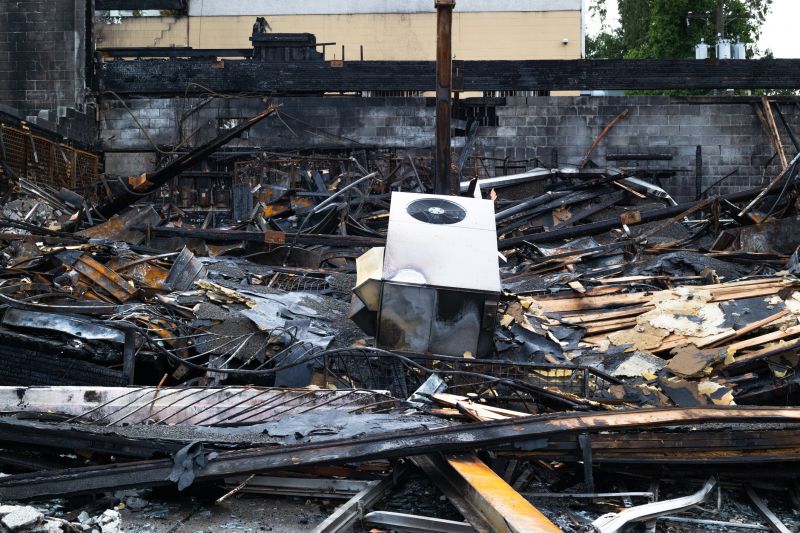
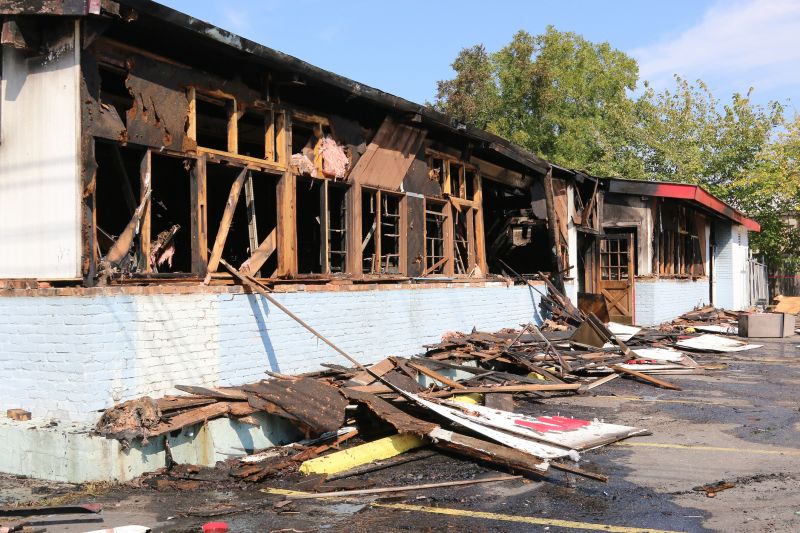
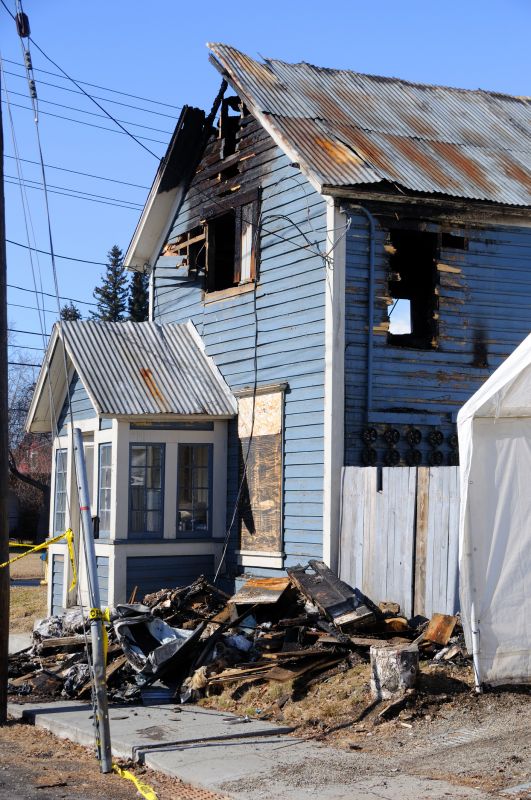
Wildfire mitigation services involve a range of strategies and treatments designed to reduce the risk of fire spreading to properties. These services typically include creating defensible space by removing or trimming vegetation, applying fire-resistant landscaping materials, and installing firebreaks or barriers. Additionally, some providers may offer treatments such as applying fire-retardant coatings to structures or clearing combustible debris from around a property. The goal is to make properties less vulnerable to wildfire ignition and slow the spread of fire should a wildfire occur nearby.
These services address several common problems associated with wildfires, including the rapid spread of flames through overgrown vegetation, the accumulation of combustible debris, and vulnerable structures that can easily ignite. By reducing available fuel and creating defensible zones, wildfire mitigation helps protect properties, homes, and communities from extensive damage. It also assists in minimizing the risk to residents and first responders by reducing the likelihood of a fire escalating uncontrollably.
Properties that typically utilize wildfire mitigation services include residential homes located in or near wildland-urban interface areas, rural properties, ranches, and vacation homes in forested regions. Commercial properties situated in fire-prone landscapes, such as lodges, campgrounds, and agricultural facilities, may also seek these services. These properties often face higher risks due to their proximity to natural vegetation, making wildfire mitigation an important step in overall property protection plans.
Engaging with local wildfire mitigation service providers can help property owners develop customized strategies suited to their specific location and landscape. These professionals assess the fire risk factors unique to each property and recommend appropriate treatments to enhance defensibility. While the scope of services varies, the primary focus remains on reducing fire hazards and improving the resilience of properties against wildfires.
The overview below groups typical Wildfire Mitigation projects into broad ranges so you can see how smaller, mid-sized, and larger jobs often compare in Denver County, CO.
In many markets, a large share of routine jobs stays in the lower and middle ranges, while only a smaller percentage of projects moves into the highest bands when the work is more complex or site conditions are harder than average.
Initial Assessment - The cost for a wildfire risk assessment typically ranges from $200 to $500, depending on property size and complexity. Larger or more complex properties may incur higher fees. This evaluation helps identify areas needing mitigation efforts.
Vegetation Management - Clearing and trimming vegetation can cost between $1,000 and $3,000 for an average property. Prices vary based on the extent of work and plant types involved. Local pros provide tailored plans to reduce fire hazards.
Defensible Space Creation - Establishing defensible zones around structures generally costs $2,000 to $5,000. The price depends on property size and the amount of clearing required. Service providers can customize solutions to meet specific wildfire safety needs.
Material and Equipment Installation - Installing fire-resistant barriers or ember-resistant vents typically ranges from $3,000 to $8,000. Costs are influenced by the materials selected and property features. Local contractors offer options suited to various budgets and requirements.
Actual totals will depend on details like access to the work area, the scope of the project, and the materials selected, so use these as general starting points rather than exact figures.
Vegetation Management - Local specialists can assess and clear trees and shrubs that pose a wildfire risk, helping to create defensible space around properties.
Firebreak Installation - Service providers can establish firebreaks by removing combustible materials and creating barriers to slow or stop the spread of wildfires.
Defensible Space Planning - Experts can evaluate property layouts to recommend strategic modifications that reduce fuel sources and improve safety during wildfires.
Emergency Fuel Removal - Pros can safely remove dead or overgrown vegetation that could ignite or fuel a wildfire, reducing potential hazards.
Landscape Modification - Local contractors can suggest and implement landscape changes that minimize fire risk while maintaining aesthetic appeal.
Fire-Resistant Planting - Service providers can advise on and install fire-resistant plants to help lower the chance of wildfire spread near structures.
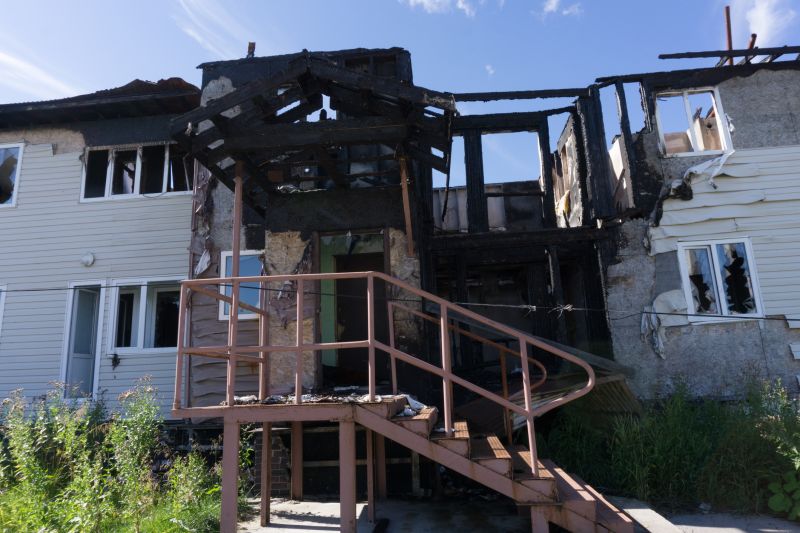
When evaluating wildfire mitigation services, it is important to consider the experience of local contractors. Homeowners should look for providers with a proven track record in wildfire risk reduction, as familiarity with local terrain, vegetation, and fire behavior can significantly influence the effectiveness of mitigation efforts. Additionally, understanding a contractor’s written expectations-such as scope of work, materials used, and project milestones-can help ensure clarity and alignment before work begins.
Reputable references are a valuable resource when selecting a wildfire mitigation professional. Homeowners are encouraged to seek out reviews or testimonials from previous clients, as these can provide insights into the quality of work, reliability, and professionalism of local service providers. Verifying references helps to build confidence in a contractor’s ability to deliver consistent results and adhere to agreed-upon standards.
Effective communication is a key component of a successful project. Local pros should be transparent about their processes, responsive to questions, and proactive in providing updates throughout the mitigation effort. Clear communication helps establish trust and ensures that homeowners are informed and comfortable with the work being performed. It is important to remember that the information below introduces homeowners to local wildfire mitigation specialists and does not perform the services directly.
Property owners in Denver County, CO use Wildfire Mitigation services for practical projects around their homes and businesses. The sections below highlight everyday jobs and straightforward project options.
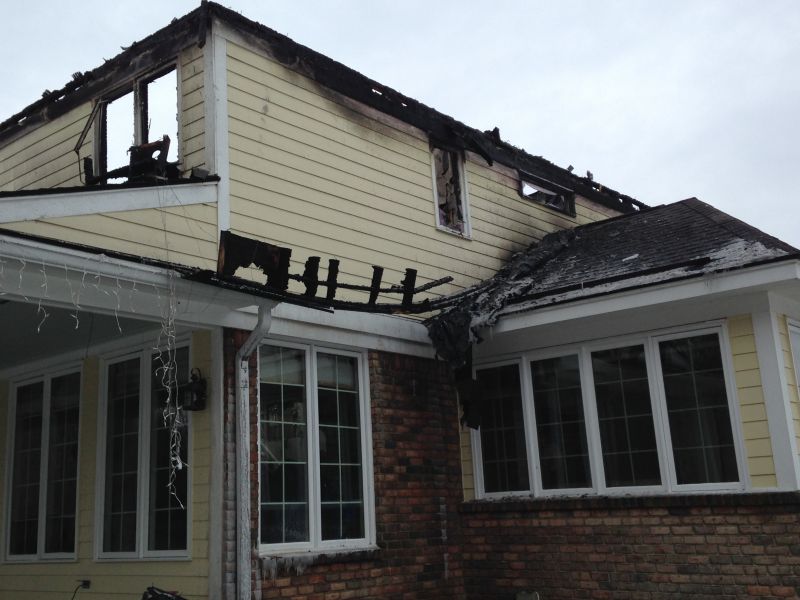
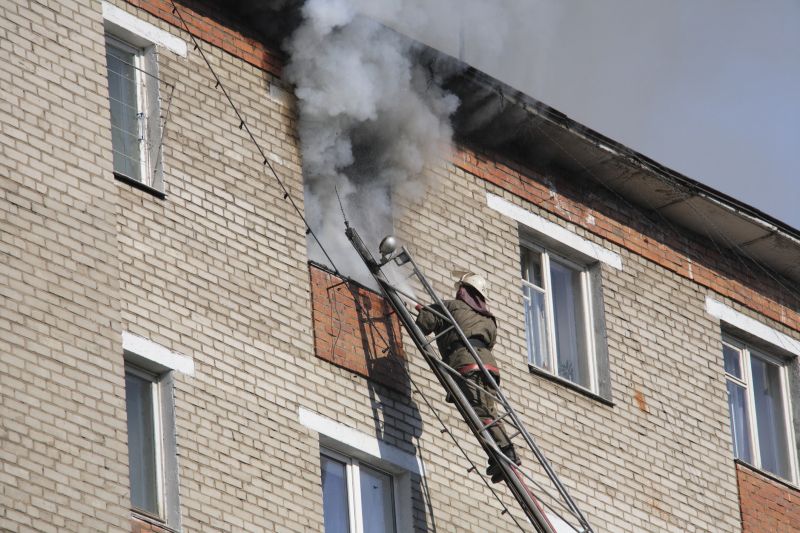
Wildfire mitigation services are often sought by property owners in Denver County, CO who want to reduce the risk of fire spreading to their homes and properties. Common situations include preparing for dry seasons when wildfire danger increases or addressing areas with dense vegetation that could fuel a fire. Local service providers can assist with creating defensible space by removing dead or overgrown plants, thinning trees, and clearing brush, helping to protect homes from potential wildfire threats.
Property owners may also look for wildfire mitigation work after experiencing nearby fires or when planning property improvements. Many seek professional help to evaluate their land and recommend appropriate measures, such as installing fire-resistant landscaping or creating buffer zones. These services can be valuable for maintaining safety and reducing fire risk in neighborhoods where wildfire exposure is a concern.
What are wildfire mitigation services? Wildfire mitigation services include measures like creating defensible space, removing combustible materials, and fire-resistant landscaping to reduce wildfire risk around properties.
Why should I consider wildfire mitigation for my property? Implementing wildfire mitigation can help protect structures and improve safety by reducing the likelihood and impact of a wildfire reaching your property.
How do local service providers assist with wildfire mitigation? Local pros can evaluate your property, recommend appropriate mitigation strategies, and perform services such as vegetation management and firebreak creation.
Are wildfire mitigation services suitable for all property types? These services are adaptable to various property sizes and types, including residential, commercial, and rural properties.
How can I find a wildfire mitigation professional near me? You can contact local service providers specializing in wildfire mitigation to discuss your property’s needs and schedule services.
Vegetation Management - Local service providers can assist with trimming and removing trees and shrubs to reduce wildfire risk.
Defensible Space Planning - Experts can evaluate properties and recommend strategic clearance zones to help protect structures.
Fire-Resistant Landscaping - Professionals can advise on selecting and planting fire-resistant plants to minimize fire spread.
Fuel Load Reduction - Service providers can help remove dead brush, leaves, and other combustible materials from your property.
Considering Wildfire Mitigation for a property in Denver County, CO? The sections above highlight common project types, practical options, and details that often shape the scope of work.
When you are ready, use the quote form to share a few details about your project. Local pros can review the basics and respond with options that match what you have in mind.